 Blog Kazawallet
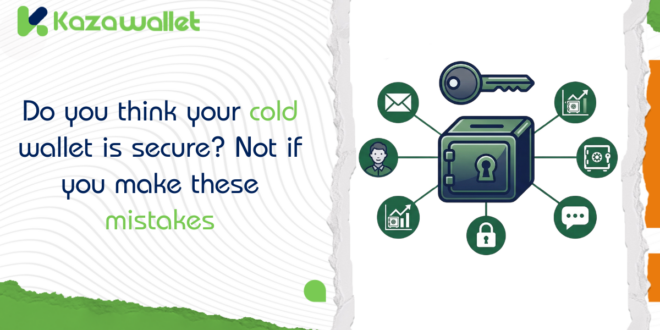
Is a cold wallet safe? While it is an advanced technical tool for protecting digital assets, it is not an invincible fortress.
Most vulnerabilities do not stem from software flaws but rather from human factors such as storing recovery phrases digitally or connecting the physical device to unsecured computers.
Ultimately, the security of your cryptocurrency depends on your choices as much as the technology itself.
What is a Cold Wallet and Why is it Usually Considered Secure?
A Cold Wallet is simply a physical device designed to store the private keys of cryptocurrencies away from any direct internet connection.
This is the fundamental difference between cold storage and Hot Wallets, which remain connected to the network and are more susceptible to cyberattacks.
Major investors prefer cold wallets for the following reasons:
- Offline Operation: They function completely offline, preventing hackers from accessing them remotely.
- Physical Interaction: They require the actual device and manual confirmation to approve any outgoing transaction.
- High Encryption: They provide a robust layer of encryption, making data extraction nearly impossible even if the device is lost.
But… What Could Make Your Cold Wallet Insecure?
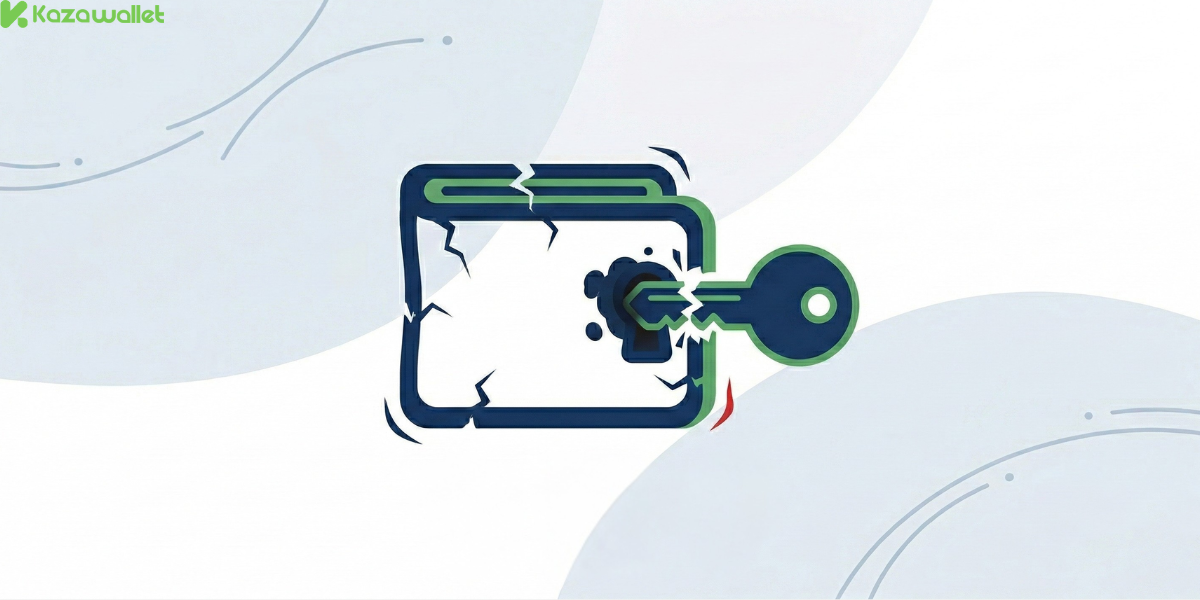
Many investors believe that moving from centralized platforms to cold wallets (like Ledger or Trezor) is the final step in securing assets.
However, the reality is that a cold wallet is merely a tool; the biggest vulnerability remains the human element. If you do not understand how these keys are managed or how hackers might lure you into a trap, you could unintentionally open the door to a breach.
Understanding common mistakes is vital to protecting the digital savings you have worked hard to accumulate.
Common Mistakes That Weaken Cold Wallet Security
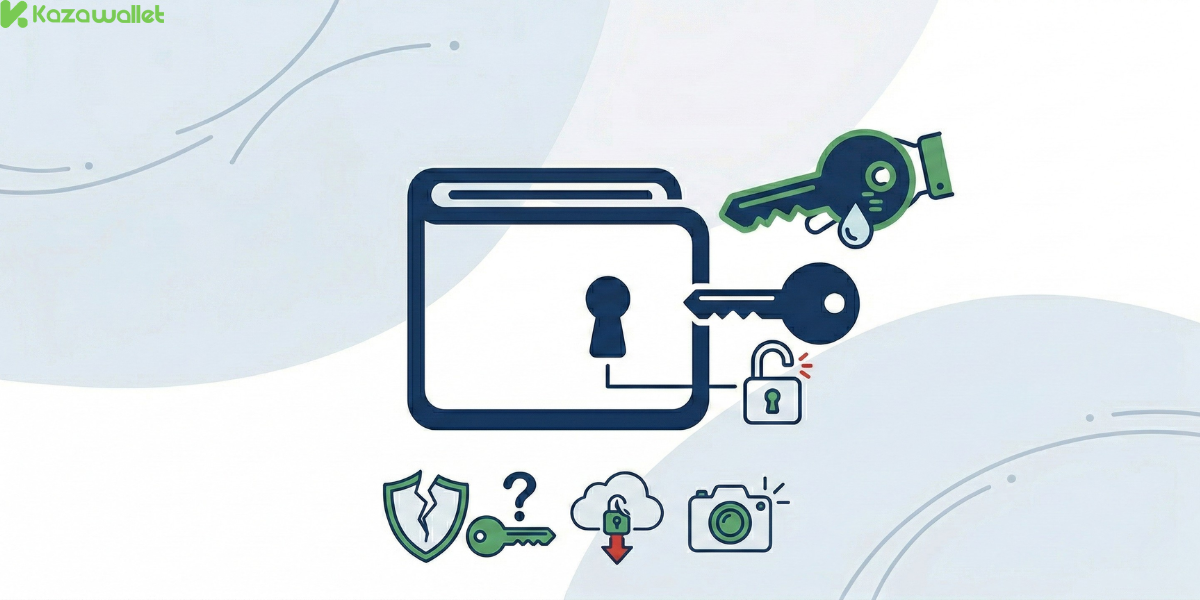
To protect your assets, you must realize that the following behaviors invite risk:
1. Storing the Recovery Phrase Insecurely
- Write the phrase in your phone’s Notes or save it in an email.
- Keep a photo of the words in your photo album or upload it to the Cloud (iCloud/Google Drive).
- Leaving the paper containing the words in a place easily accessible to strangers.
2. Using a Device on a Previously Compromised Computer
- Connecting the wallet to a computer infected with malware that might swap addresses during a transfer.
- Entering the recovery phrase into suspicious websites claiming to be the wallet’s official support.
3. Buying Counterfeit Cold Wallets or Using Untrusted Sellers
- Purchasing the device from unofficial platforms or unknown third-party sellers to save money.
- Using a pre-owned device that might have tampered hardware or software designed to steal assets later.
4. Neglecting Firmware Updates
- Failing to update the device’s official software, leaving old technical vulnerabilities unpatched.
- Using outdated versions of associated apps that may not support modern security standards.
5. Unintentionally Sharing Access with a Third Party
- Granting Unlimited Approval to unknown protocols when linking the wallet to decentralized trading sites.
- Responding to fake “Technical Support” messages asking for recovery phrases to “solve” a technical issue.
How to Avoid These Mistakes and Maintain Maximum Security?
While cold wallets provide maximum security for long-term storage, daily use can be complex and exhausting, especially when you need quick trades or currency swaps.
To ensure your wallet remains a fortress, we recommend these practical steps:
- Use Genuine Devices Only: Always buy directly from the manufacturer’s official website to ensure device integrity.
- Store Recovery Phrases Offline: Write them manually on paper or engrave them on a metal plate, and keep them in a secure safe.
- Connect Only When Necessary: Minimize the time the device is connected to a computer and disconnect it immediately after use.
- Enable Extra Protection (PIN, 2FA): Use a strong PIN for the device and enable 2FA on all associated accounts.
- Use Secure Management Solutions like Kazawallet: For a balance of security and convenience, use Kazawallet to manage daily transactions while keeping the bulk of your assets in cold storage.
Kazawallet provides a secure environment for depositing and withdrawing Bitcoin and other cryptocurrencies via various methods.
Kazawallet addresses this by providing an integrated environment that allows you to manage your balances with flexibility and freedom, while ensuring high security standards such as Two-Factor Authentication (2FA) and payment passwords.
Frequently Asked Questions (FAQ)
Does Kazawallet replace a cold wallet?
Each serves a different purpose. A cold wallet is for long-term savings, while Kazawallet is the ideal solution for managing liquidity, topping up cards and daily transfers with high flexibility.
Can a cold wallet be hacked while offline?
The device itself cannot be hacked remotely while offline. However, assets can be stolen if a hacker obtains the recovery phrase you stored incorrectly or if you sign a malicious contract.
What should I do if I suspect my recovery phrase has been leaked?
You must immediately create a new wallet and transfer all assets to it before any other party gains access to the balance.
Final Thought
Security in the crypto world starts with your simple daily decisions; technology provides the tool, but you provide the protection by avoiding common mistakes.
Remember that simplicity and caution are the keys to preserving your digital wealth. Using trusted platforms like Kazawallet enhances your ability to control your money safely and with total ease.