 Blog Kazawallet
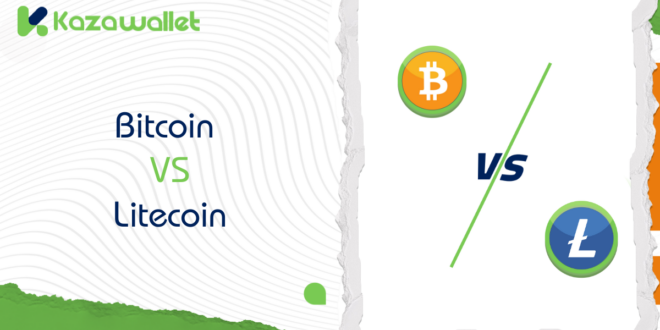
The primary difference between Bitcoin and Litecoin lies in speed and utility. Bitcoin (BTC) acts as a “Store of Value” (Digital Gold), while Litecoin (LTC) is engineered for daily transactions (Digital Silver), boasting 4x faster transaction speeds and significantly lower fees.
If you are seeking a long-term investment, Bitcoin leads the way. However, if you need a fast and secure payment method via Kazawallet, Litecoin is the smarter, more practical choice.
What is Bitcoin?
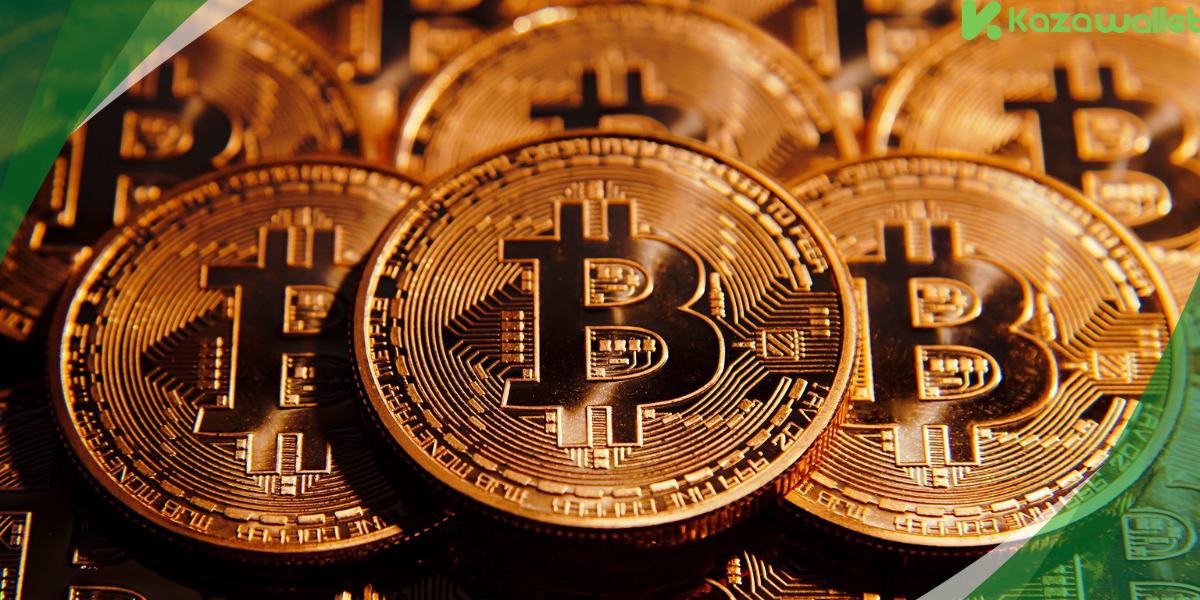
Bitcoin is the “Mother of Cryptocurrencies” and the first decentralized monetary system to gain global institutional trust since its launch in 2009.
- The Philosophy of Scarcity: Bitcoin is designed to be rare, with a hard cap of only 21 million coins. This makes it a powerful hedge against inflation and the collapse of traditional fiat currencies. For more technical background, you can read our detailed guide on How Bitcoin Works.
- Network Strength: It relies on the Proof of Work (PoW) mechanism across thousands of nodes that document transactions on the blockchain, making data manipulation technically impossible.
- Current Utility: Investors prefer it for long-term savings (HODL) and large transfers requiring maximum security. You can start securing your digital savings by following the steps to Buy Bitcoin in Syria.
Read More: Bitcoin vs. USDT: An In-Depth Comparison of Risks and Stability.
What is Litecoin?
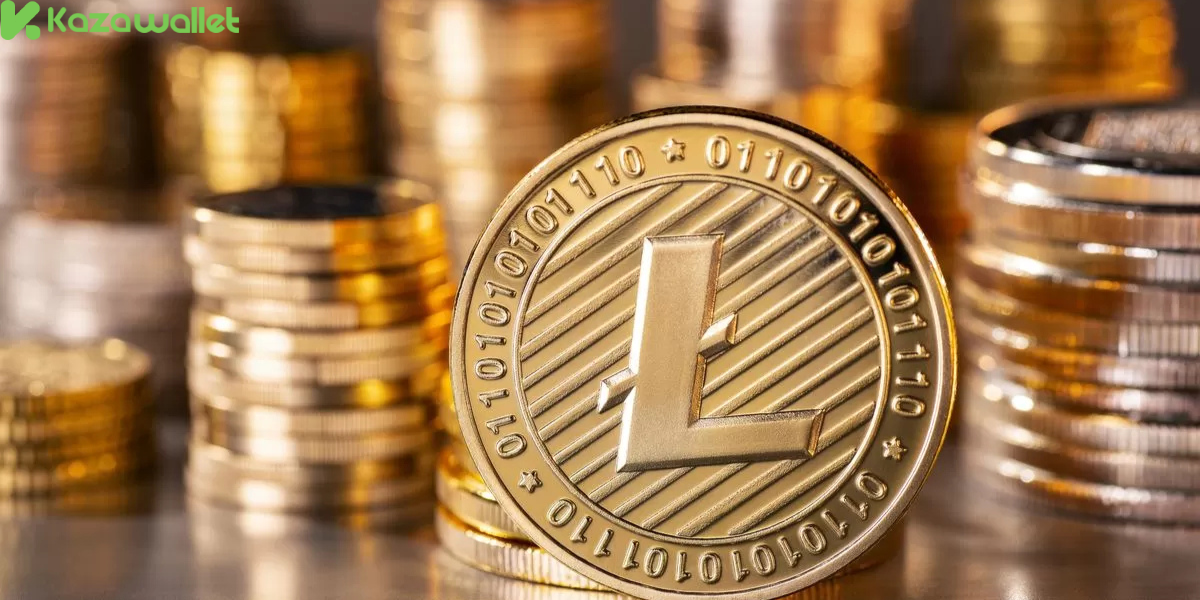 Launched by developer Charlie Lee in 2011, Litecoin was designed as the “Lite” version of Bitcoin, focusing primarily on solving the issues of slow confirmation times and high network fees.
- Ultra-Fast Speed: Litecoin takes only 2.5 minutes to generate a new block and confirm a transaction, compared to 10 minutes for Bitcoin. This gap makes it the ideal choice for quick daily payments.
- The Scrypt Algorithm: It utilizes a type of encryption that allows for faster processing with lower energy consumption, facilitating the Deposit of Litecoin and processing it into your balance in record time.
- Low Cost: Due to network efficiency, fees remain very low. This makes it the preferred currency when Buying Litecoin for topping up international cards or making frequent small transfers.
Bitcoin vs Litecoin
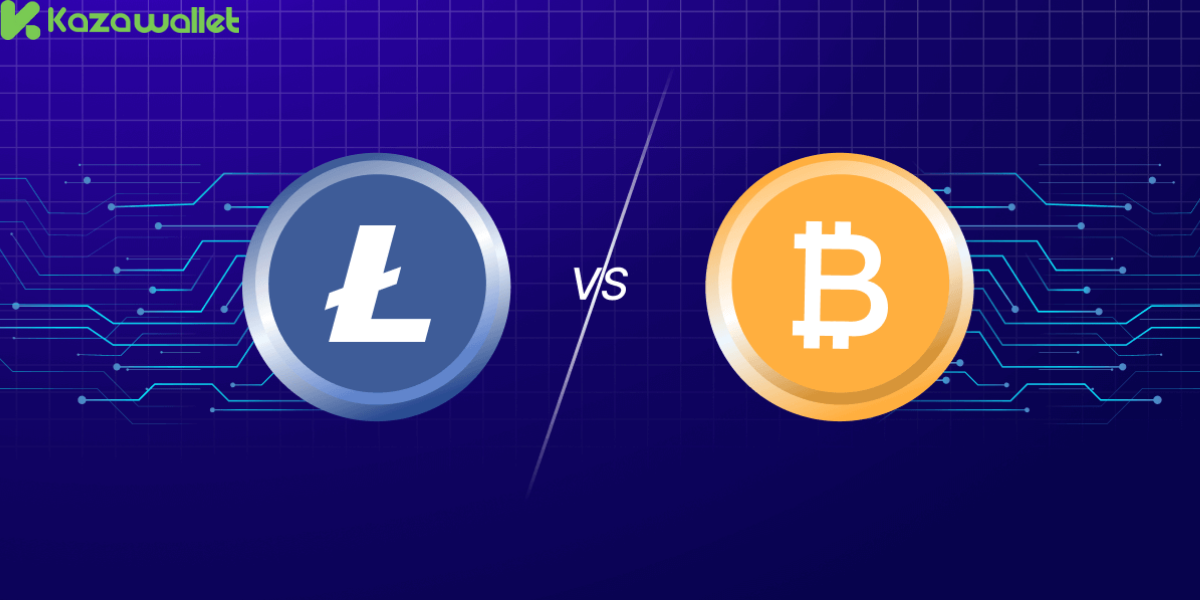
When we talk about Bitcoin vs Litecoin, we should mention these sides:
| Feature | Bitcoin (BTC) | Litecoin (LTC) |
| Max Supply | 21 Million (High Scarcity) | 84 Million (Higher Availability) |
| Mining Algorithm | SHA-256 (Requires high-power hardware) | Scrypt (More flexible and faster) |
| Block Time | 10 Minutes | 2.5 Minutes |
| Network Fees | Relatively high during congestion | Very low and mostly stable |
| Ideal Use Case | Store of Value (Long-term Investment) | Daily Transactions & Fast Transfers |
Risks Associated with Bitcoin and Litecoin
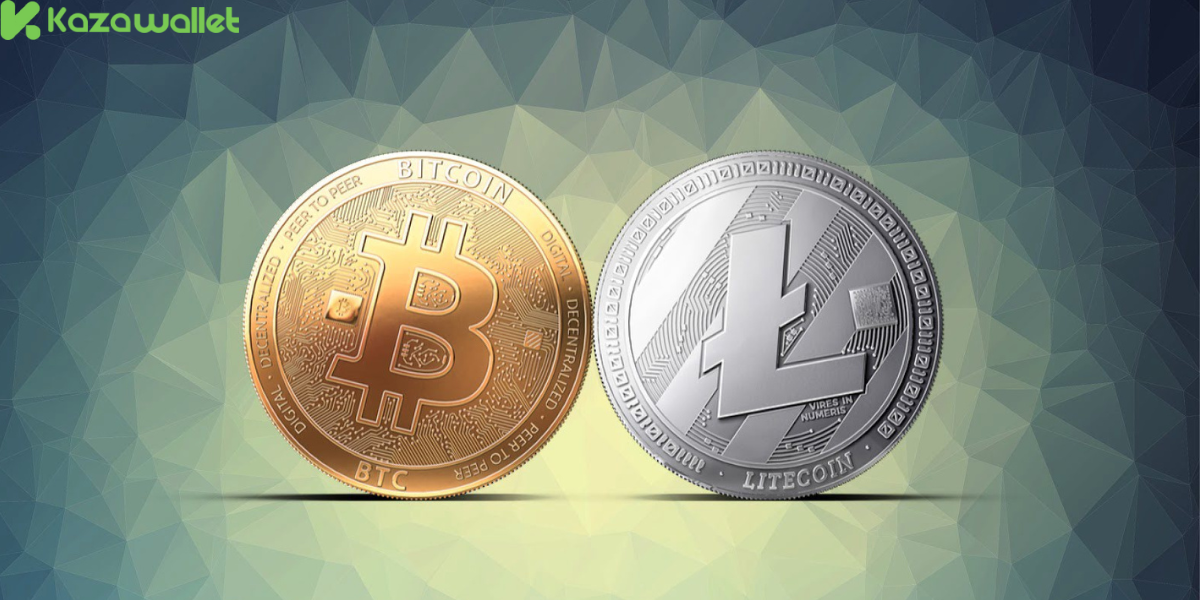
Dealing with cryptocurrencies requires a deep understanding of the surrounding risks to protect your capital:
- Extreme Price Volatility: Both currencies share the risk of “fluctuations,” where value can change significantly within hours. To mitigate this, many prefer to convert their profits into Tether and Stablecoins (USDT) during times of market instability.
- Security and Phishing Risks: Losing your private keys or falling victim to untrusted platforms means losing your coins forever. Understanding the mechanisms of Depositing Cryptocurrencies in Kazawallet reduces these risks by providing a secured technical environment.
- Competition and Technical Obsolescence: Litecoin faces pressure from newer coins, while Bitcoin faces challenges regarding energy consumption and changing government regulations, which may affect global exchange rates.
- Wealth Centralization Risks: In some coins like Litecoin, a small number of holders may own massive shares, making the price susceptible to manipulation during large, sudden sell-offs.
Frequently Asked Questions (FAQ)
Is Litecoin less secure than Bitcoin?
Historically, the Bitcoin network is the largest and strongest due to its massive mining power. However, Litecoin has operated successfully and securely since 2011 and is considered completely safe for daily operations and mid-sized transfers.
When should I use Bitcoin instead of Litecoin?
It is preferable to use Bitcoin when you wish to save large amounts for long periods or when Depositing Bitcoin as a strategic digital store of value.
Why do some people prefer converting their profits to USDT?
Because Tether (USDT) keeps the value of your money stable against the US Dollar, protecting you from the sudden “downside risk” that occurs in volatile currencies like BTC and LTC.
How do I ensure the security of my digital transfers in Syria?
The most important step is to avoid suspicious links and untrusted platforms. Ensure you verify your accounts and use security options like Two-Factor Authentication (2FA) when executing any withdrawal or deposit.
Can I pay for international services using these currencies?
Yes. Once you have a balance, you can use it to top up virtual cards designated for international shopping, which is an ideal solution to bypass traditional payment restrictions within Syria.
Final Thought
Bitcoin and Litecoin complement each other; one preserves your wealth while the other facilitates its movement. Start securing your digital wallet today through trusted channels to become part of this evolving financial future.