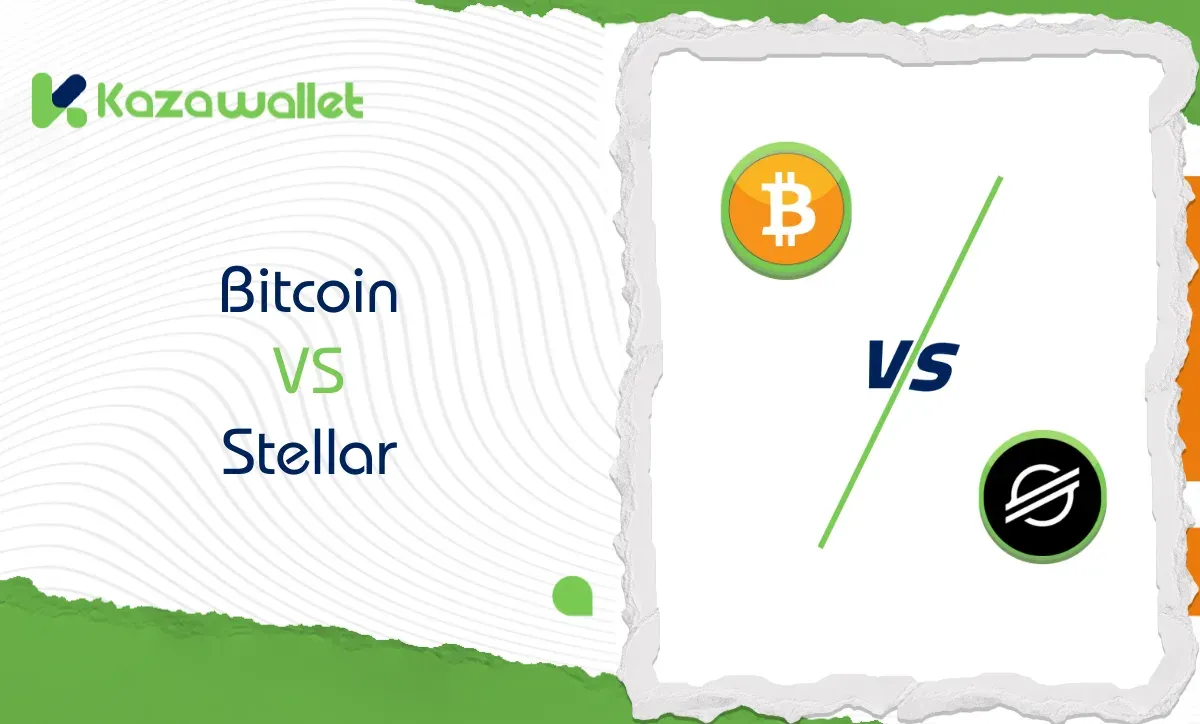
Bitcoin (BTC) is “Digital Gold” and an investment asset aiming to redefine the concept of money, while Stellar (XLM) is a payment network designed for ultra-fast international remittances with near-zero fees. If you seek savings, Bitcoin is the choice; if you seek practical payment solutions, Stellar is the destination.
What is Bitcoin?
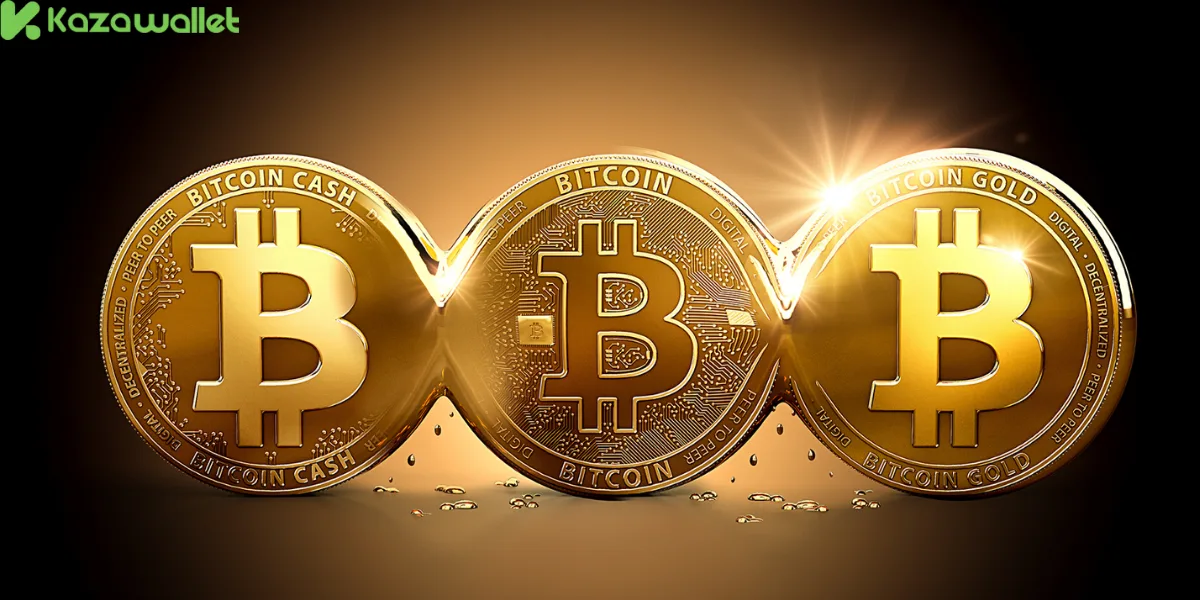
Bitcoin is the world’s first decentralized digital currency (launched in 2009). It relies on blockchain technology to record transactions with full transparency.
- The Goal: An independent monetary system that eliminates the need for bank intermediaries.
- Current Usage: It has evolved from a simple payment currency into a major investment asset and a safe haven against inflation.
What is Stellar?
Stellar is an open-source payment platform (launched in 2014) whose native currency is known as Lumens.
- The Goal: To act as a “bridge” between different currencies (both digital and fiat) to enable instant global transfers.
- Partnerships: It maintains strong collaborations with major institutions like IBM and MoneyGram to facilitate worldwide money movement.
Read More: USDT vs. Stellar: A Comparison of Risks and Stability
Bitcoin vs Stellar: The Differences Between Bitcoin and Stellar
Though Bitcoin and Stellar are cryptocurrencies based on blockchain technology, they have a number of differences between them. Let us discuss the differences between Bitcoin and Stellar:
| Feature | Bitcoin (BTC) | Stellar (XLM) |
| Main Purpose | Store of Value (Digital Gold) | International Remittances & Exchange |
| Consensus Mechanism | Proof of Work (PoW) – Energy Intensive | Federated Consensus (SCP) – Fast & Efficient |
| Speed | Slow (~10 mins for block confirmation) | Ultra-Fast (3–5 seconds per transaction) |
| Scarcity | Strictly capped at 21 Million units | Large supply (~50 Billion units) |
| Decentralization | Full (No governing entity) | Partial (Managed by Stellar Foundation) |
Bitcoin vs Stellar: Risks Involved
Despite the differences between Bitcoin and Stellar, and the vast potential they have, there are risks that should not be ignored:
Bitcoin (BTC) Risks:
- Price Volatility: Sharp changes in value can occur within hours.
- Personal Security: The responsibility for wallet protection lies entirely with the user (lost keys = lost funds).
- Sensitivity to Events: Immediately affected by global political and economic crises.
Stellar (XLM) Risks:
- Partial Centralization: The Stellar Development Foundation holds a significant portion of coins, which may influence decisions.
- Legal Regulations: Its technical similarities to XRP may expose it to international legal scrutiny.
- Lack of Incentives: Its system does not financially reward “validators” like Bitcoin, which could limit node growth.
In the end
The world of digital currency is fraught with challenges and prospects, and all cryptocurrencies have different advantages and risks.
And don’t forget how much simpler it is to work with cryptocurrencies like USDC, Tron, Bitcoin, and others thanks to Kazawallet. With the wallet, you enjoy the convenience of buying, storing, depositing, and withdrawing cryptocurrencies in an easy and secure process.