 Blog Kazawallet
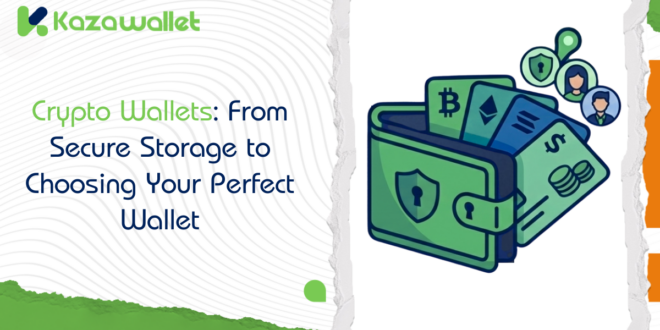
A crypto wallet is your gateway to controlling your money away from central authorities. The tech world is divided between Cold Wallets for long-term security and Hot Wallets for quick transactions.
Financial platforms like Kazawallet make this process even easier by allowing you to deposit, exchange, and use crypto for Visa card top-ups and daily transfers without any technical headaches.
What is a Crypto Wallet and Why Do You Really Need It?
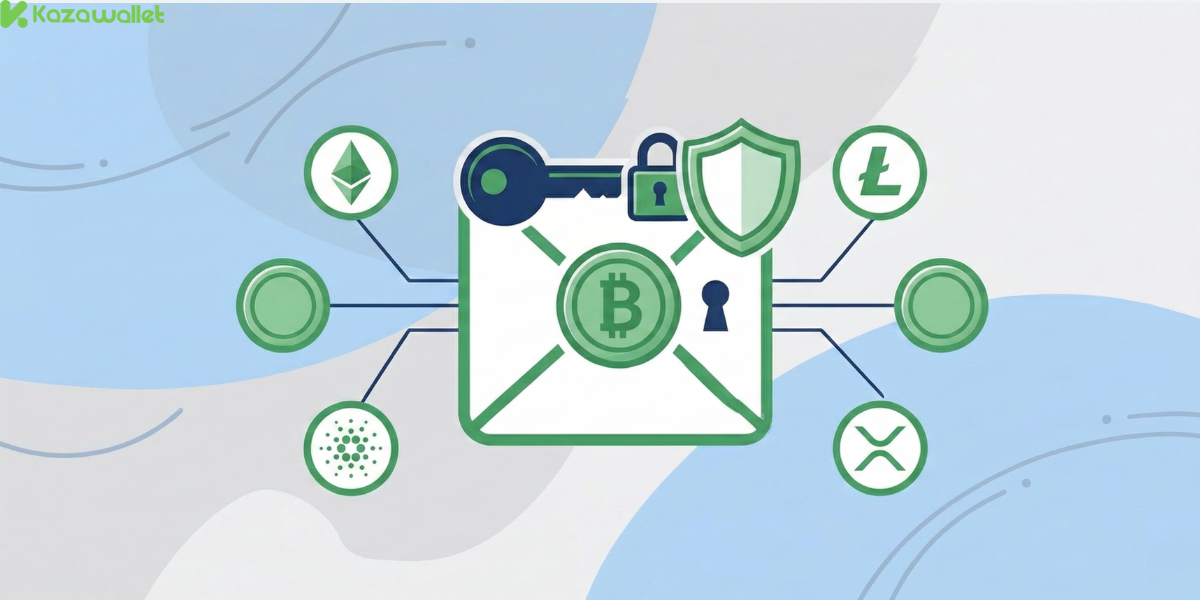
Unlike traditional wallets that hold paper cash, a crypto wallet doesn’t “store” coins. Instead, it stores “Private Keys” the digital codes that give you the right to manage your money on the Blockchain.
In modern financial platforms, this concept is simplified. As soon as you create an account, you get deposit addresses that allow you to receive assets (like transferring a balance from Binance) and manage them alongside your local currencies.
Whether you are saving Bitcoin or using Tether (USDT) to avoid price swings, understanding how cryptocurrency works is the first step to realizing that your wallet is your new financial management hub.
Types of Crypto Wallets: Where Should You Put Your Money?
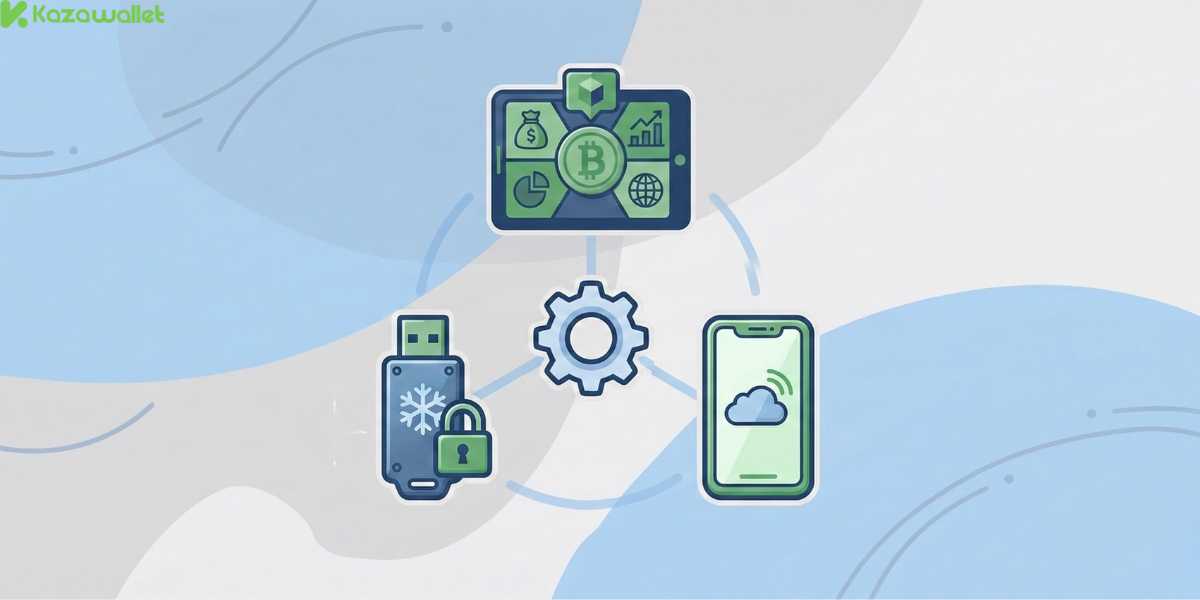
Your choice depends on how often you use your funds. Globally, they are classified into three categories:
- Cold Wallets: Hardware devices not connected to the internet. They are the best choice for long-term storage of large amounts.
- Hot Wallets: Software apps that stay connected to the network for speed. These are ideal for those who prefer buying cryptocurrency for frequent trading or daily use.
- All-in-One Platforms: Such as Kazawallet, these apps combine a crypto wallet with traditional currency accounts. They are perfect for daily use, buying crypto, and exchanging it into “real-world” cash.
Expert Tip: Use a “Distribution Strategy.” Keep your large savings in a cold wallet and use a flexible platform like Kazawallet for daily operations like depositing cryptocurrency and making transfers.
How to Choose the Perfect Wallet for You?
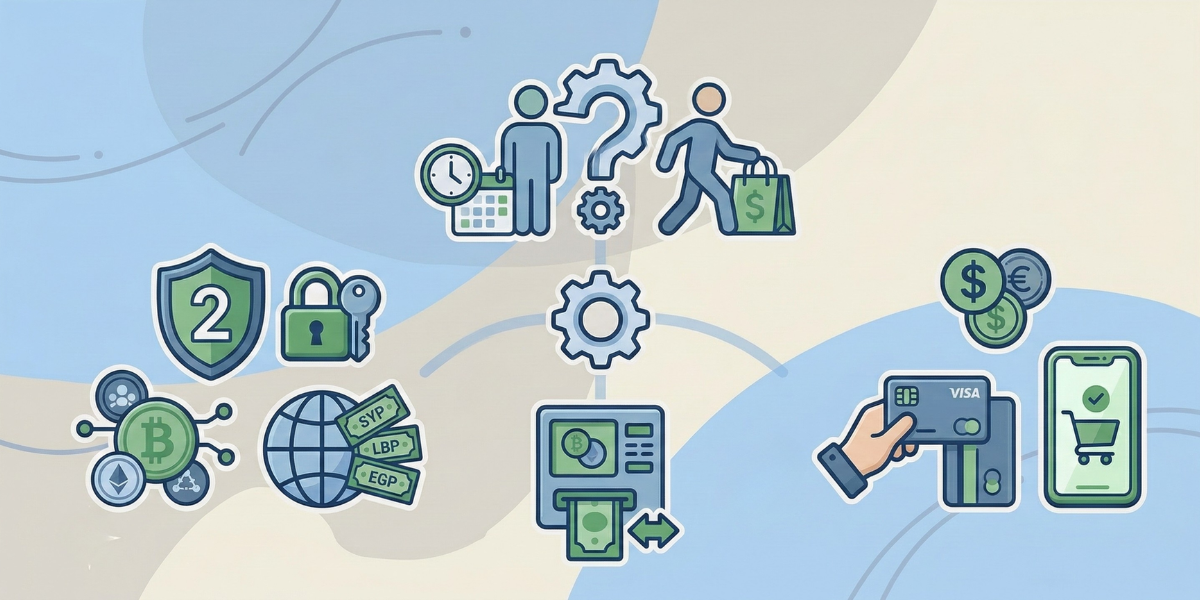
Before starting, ask yourself: Am I a long-term investor or a daily user? Based on your answer, focus on these criteria:
- Security Standards: Ensure the wallet has Two-Factor Authentication (2FA) and advanced data encryption.
- Network & Asset Diversity: Look for a wallet that supports many types, whether you are comparing the difference between Bitcoin and Litecoin or receiving coins from different networks like ERC20, TRC20, or BEP20.
- Multi-Currency Support: Does the platform support local currencies (SYP, LBP, EGP) alongside crypto?
- Easy Cash-out: The ability to turn digital assets into physical cash, such as buying Bitcoin and exchanging it for local liquidity.
-
Extra Services: Does the wallet allow you to top up a Visa or Mastercard for international shopping?
Kazawallet: Combining Security with Flexibility

While some find technical wallets difficult to use, Kazawallet simplifies the experience. It is not just a digital “safe”; it is a complete financial system that allows you:
- Local Currency Management: Handle Syrian Pounds, Lebanese Pounds, Turkish Lira, Dollars, and Euros alongside your crypto.
- Flexible Deposits & Swaps: Deposit Bitcoin or USDT from any external wallet and swap them instantly for local currency or vice-versa.
- Overcoming Financial Limits: An ideal solution for sending and receiving money internationally, bypassing the complexities of traditional banks.
- Global Shopping: Exchange your crypto balance to buy games or shop from global stores using Kazawallet Visa cards.
To get started the right way, check out our guide on how to use Kazawallet, which explains every step of depositing, withdrawing, and swapping safely.
Frequently Asked Questions (FAQ)
What is the difference between a Cold Wallet and a Hot Wallet?
A Cold Wallet is an offline device that provides the highest security for long-term storage. A Hot Wallet is an internet-connected app that makes it easy to access your funds quickly for daily transfers.
What is the difference between a Hot Wallet and a Platform?
A Hot Wallet is purely for storing crypto and signing blockchain transactions.
A platform like Kazawallet is an all-in-one financial hub; it doesn’t just store crypto, it provides parallel accounts in traditional currencies (USD, EUR, SYP, LBP), allowing you to “cash out” crypto or top up international payment cards.
Can I store traditional currencies (like Dollars) in a crypto wallet?
Standard crypto wallets only support digital coins. However, advanced financial platforms like Kazawallet allow you to have accounts in traditional currencies alongside your crypto wallet in one single app.
Do I need a different wallet for every blockchain network?
It is better to use “Multi-chain” wallets or platforms. These allow you to manage assets from different networks (like Bitcoin, Ethereum, and Solana) in one unified interface for easier tracking.
How do I protect my digital assets from loss?
The most important step is enabling Two-Factor Authentication (2FA) and never sharing your passwords or recovery keys. On trusted financial platforms, your account is secured by advanced encryption layers.
Conclusion
The perfect wallet isn’t necessarily the most complicated one; it’s the one that gives you the best balance between security and usability.
Whether you are saving for the future or need instant liquidity, choosing a solution that links crypto with traditional currency is the smartest move. Start securing your digital future with Kazawallet today.