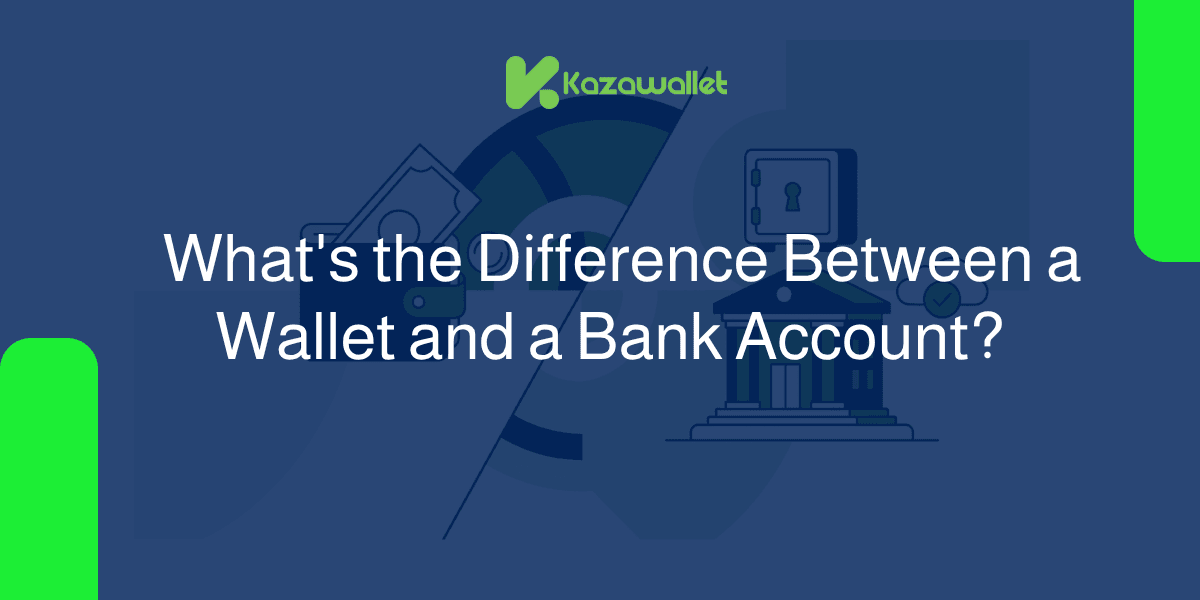
No need to worry, it's much simpler than it sounds! When evaluating a digital wallet vs bank account, a traditional bank account is the standard place to keep your money safe long-term, receive your monthly salary, and handle official paperwork.
On the flip side, a digital wallet is a flexible, modern tool built for your daily money moves, like sending cash home to family across borders, handling crypto assets, or shopping online with virtual cards without drowning in paperwork.
The bank builds your stability, while the wallet gives you freedom and speed.
What is a Traditional Bank Account?
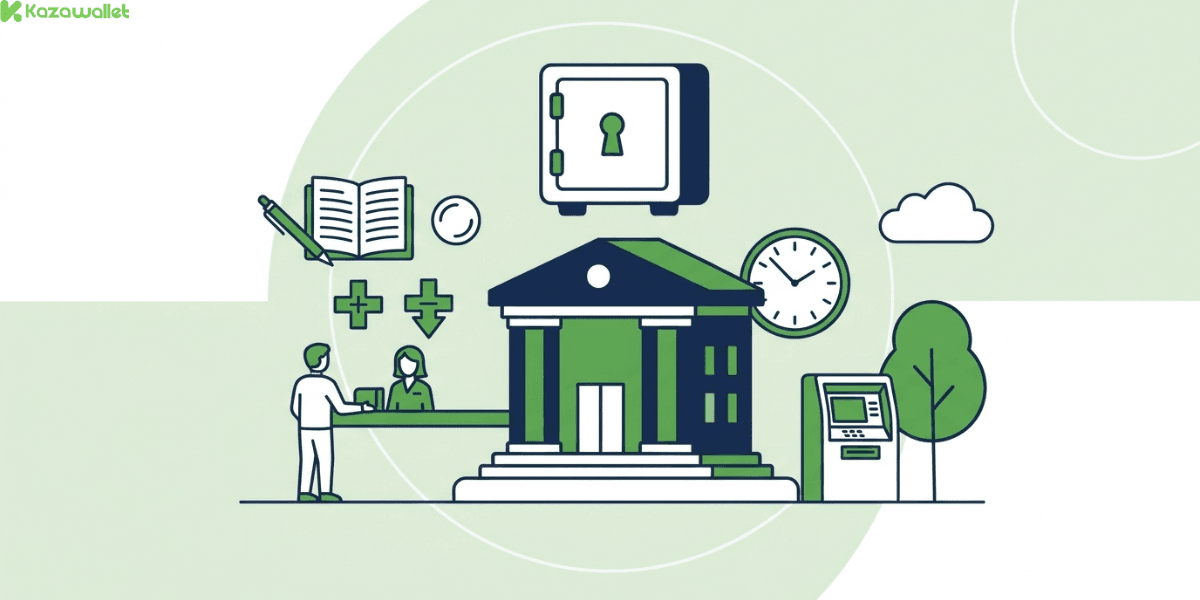
A bank account provides you with an official IBAN issued by a licensed financial institution in a specific country. It’s your go-to choice if you're looking to save large sums long-term, need to get paid by a local employer, or want access to formal services like loans and mortgages.
Banking with a traditional institution gives your funds regulatory oversight and legal protection from central banks. However, opening an account usually requires proof of address, physical ID verification, and heavy paperwork, which can often be a headache for expats, remote workers, and freelancers.
What is a Digital Wallet?
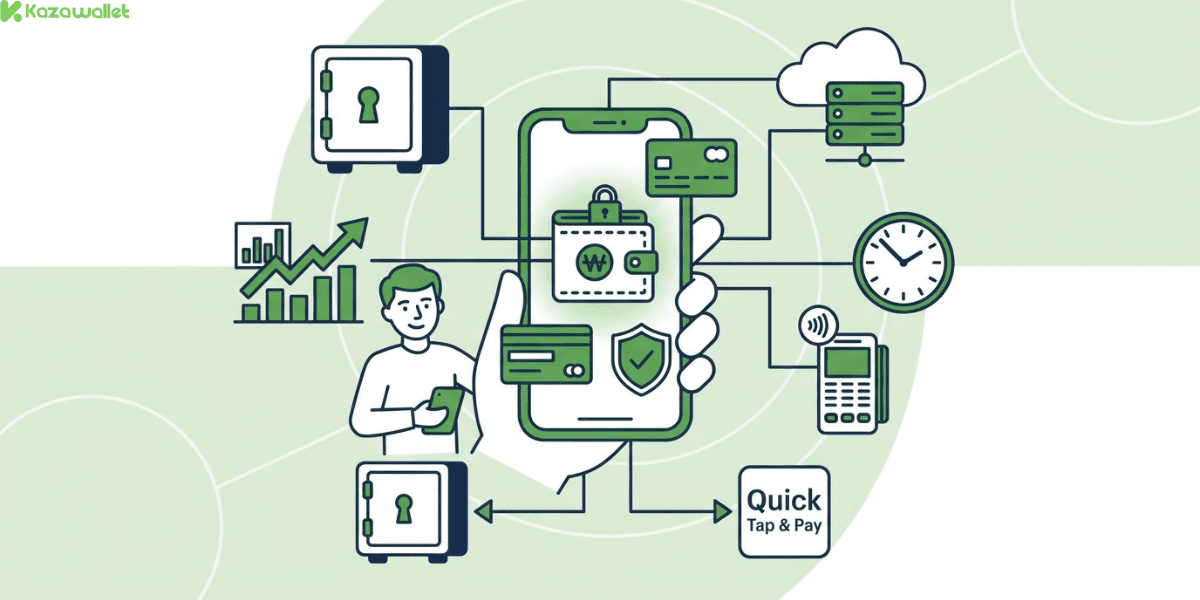
A digital wallet is a smart mobile app designed to handle your daily financial moves without branch visits or long waiting lines. It lets you hold money in multiple forms, ranging from everyday fiat currencies and e-bank balances to cryptocurrencies like USDT.
The main goal of a digital wallet is to remove geographic borders and administrative hassle. You can make instant cross-border transfers, issue virtual Visa cards for online payments, and manage different balances all in one place, with a sign-up process that takes just a few minutes on your phone.
Quick Comparison: Digital Wallet vs Bank Account
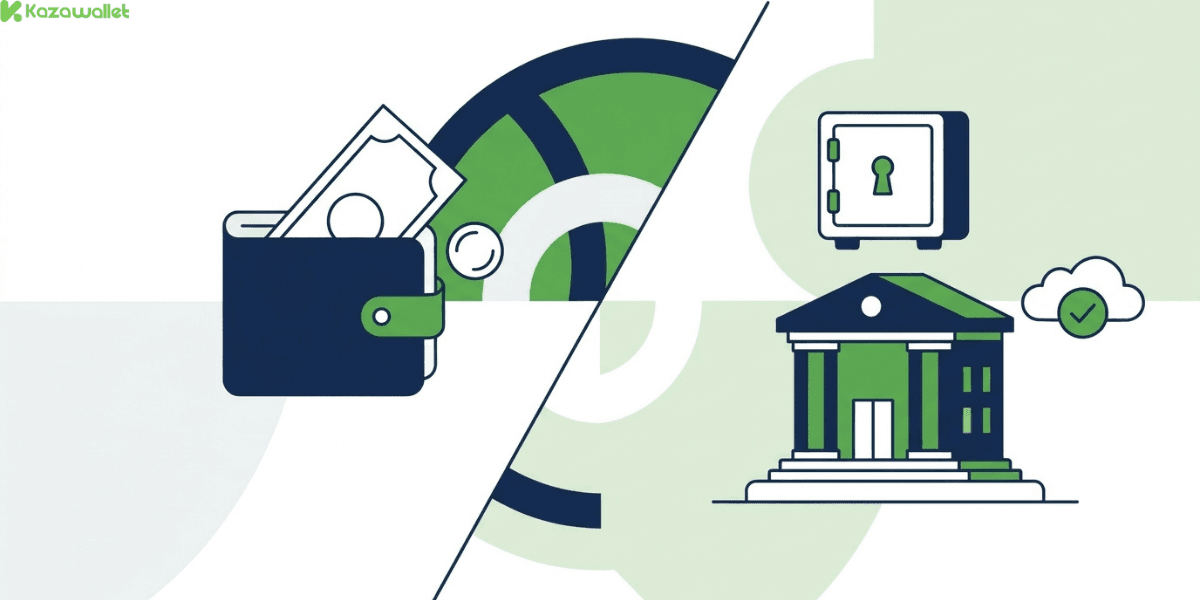
| Comparison | Traditional Bank Account | Digital Wallet |
| Main Purpose | Long-term savings, official transactions, and loans | Fast payments, cross-border transfers, and online shopping |
| Ease of Setup | Requires local residency proof and heavy paperwork | 100% digital signup in minutes |
| International Transfers | Uses SWIFT (takes days with higher fees) | Instant or near-instant transfers with flexible fees |
| Multi-Currency Support | Mostly limited to one or a few traditional currencies | Supports multiple fiat currencies, crypto, and e-bank funds |
| Expat Friendliness | Usually requires official local residency status | Works anywhere, making cross-border money moves simple |
Digital Wallet vs Bank Account: Key Differences in Detail
1. Easy Access and Usability
Traditional bank accounts follow strict local regulations, often requiring local proof of address and complex documentation. This creates real roadblocks for expats and freelancers who move between countries or lack complete banking records in their host country.
On the other hand, digital wallets bridge this gap. Signup happens directly through your phone, letting anyone start sending and receiving funds without waiting days for manual approval.
2. Cross-Border Transfers and Fees
If you've ever tried sending money home through a traditional bank, you know the drill: high fixed fees, exchange rate markups, and multi-day waiting periods.
Platforms like Kazawallet solve this by offering flexible deposit and withdrawal routes. This makes it far easier and cheaper for expats to send support to their families back home without losing money to middleman banks along the way.
3. Crypto and Virtual Cards
Most traditional banks remain cautious about cryptocurrencies and often block incoming transfers from crypto exchanges.
A digital wallet meets modern demands head-on. You can hold and send assets like Bitcoin (BTC) or Tether (USDT) and easily swap them into spendable money.
Plus, you can instantly generate virtual Visa cards to pay for online subscriptions and shop securely without revealing your primary bank account details.
When Should You Use a Digital Wallet vs Bank Account?
Having a digital wallet doesn't mean ditching your bank account; it’s simply about using the right tool for the job:
Use a bank account when: You want to store long-term savings, receive a salary from a local employer requiring a direct bank transfer, or apply for loans and real estate financing.
Use a digital wallet when: You need to send fast support to family abroad, receive freelance earnings in crypto or e-currency, or want a secure virtual card for online shopping and monthly subscriptions.
Frequently Asked Questions (FAQs)
Can a digital wallet completely replace a bank account?
For many freelancers and expats, a digital wallet easily covers all daily spending and international transfers. However, traditional bank accounts remain essential whenever government agencies or large local companies strictly require official bank details.
How does Kazawallet help expats send money to their families?
Kazawallet brings crypto assets, e-wallets, and traditional currencies under one roof. This allows expats to transfer funds smoothly and gives family members flexible local payout options without dealing with traditional banking delays.
Is using a virtual card from a digital wallet safe?
Yes! A virtual card adds an extra security layer by keeping your primary bank details hidden during online checkouts. You can top it up with only what you plan to spend or freeze it instantly whenever needed.
In the end
Using both tools together is the smartest approach today. Keep your traditional bank account as a safe base for official local needs, and rely on Kazawallet to handle your daily transactions, online payments, and cross-border transfers to loved ones with ease.