A hundred dollars in cash in your pocket feels heavy, and you think twice before spending it. That same hundred dollars as a crypto balance on your phone screen feels much lighter, almost like a number with no real connection to actual money.
This difference between spending cash and spending crypto isn't a coincidence; it's a direct result of how our brains process money.
In this article, we answer a question many people ask without finding a clear explanation for: why do we spend crypto more easily than cash sometimes, while other times it's harder to let go of crypto than any other money we own?
Quick Summary (TL;DR):
The brain tends to categorize money into separate mental buckets based on where it came from.
This is the main reason why do we spend crypto more easily than cash in many cases.
Crypto you bought at a low price or received as a gift is often labeled as extra money, so it gets spent more boldly. However, it also has an opposite side: the fear of regret if the crypto's price shoots up later.
This makes many people hesitate to spend it more than they would with the exact same amount of regular cash.
Why Do We Spend Crypto More Easily Than Cash?
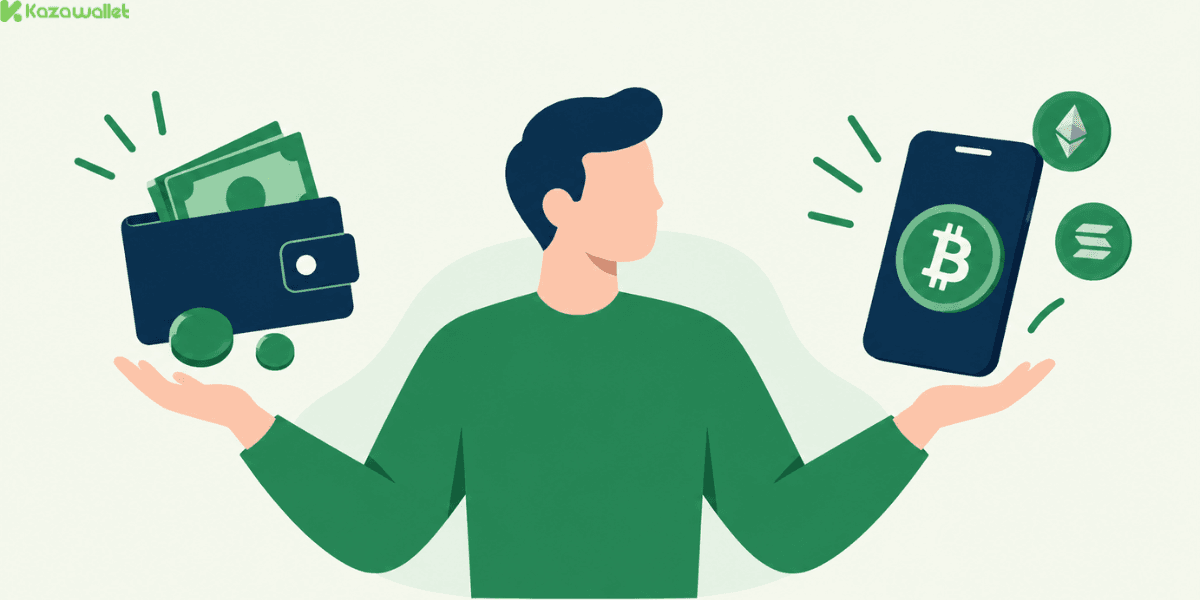
Traditional economics assumes that money is perfectly fungible, meaning every dollar is equal to any other dollar, regardless of where it came from. However, behavioral economics, specifically the Mental Accounting theory developed by Nobel laureate Richard Thaler, shows that our brains are not purely rational:
We mentally place money into separate accounts based on its source and intended purpose, even if the absolute monetary value is identical.
A prime example of this is the House Money Effect: funds gained unexpectedly, like a casino win, a bonus, or a tax refund, are mentally filed as extra cash. Because it lacks the heavy psychological weight of hard-earned income, we spend or risk it much more easily. A comprehensive scientific review of dozens of studies has consistently confirmed this effect.
Does Crypto Make Us Overspend?
A peer-reviewed study published in Psychology & Marketing, which included over 2,700 participants across four separate experiments, found that investors actively categorize their crypto into different mental buckets, such as long-term investment versus daily spending money.
Coins bought at the bottom or received for free are treated as house money, leading investors to spend or trade them with far greater risk tolerance compared to assets they recently bought at a premium.
Does the Digital Nature of Crypto Reduce the Pain of Paying?
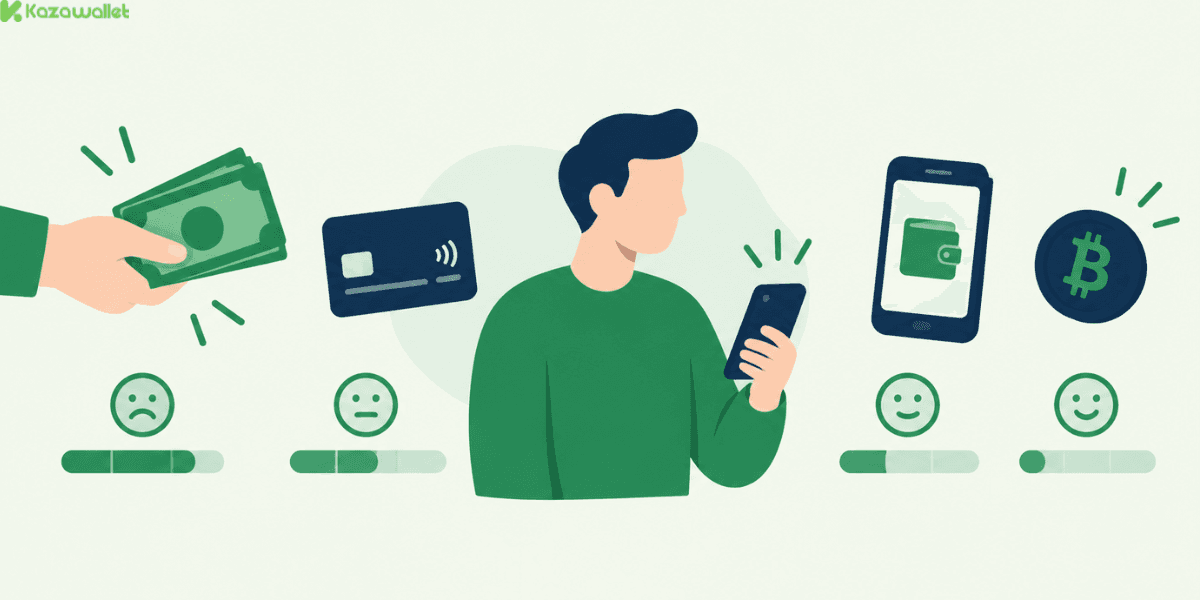
There is an additional psychological factor entirely separate from mental accounting known as the Pain of Paying, which describes the mild sense of loss that accompanies spending money:
This feeling is sharpest when you physically hand over tangible cash.
It weakens significantly as the payment method moves further away from a physical form, such as using a credit card, a payment app, or a digital wallet.
A classic study by MIT researchers Drazen Prelec and Duncan Simester revealed that participants in an auction were willing to pay significantly more, sometimes up to twice as much, when paying with a credit card compared to cash for the exact same item.
Cryptocurrencies share and likely amplify this effect. Because they are often just numbers on a screen with zero physical representation, the pain of paying is diluted even further than it is with traditional plastic cards.
Why Do We Sometimes Hesitate to Spend Crypto More Than Cash?
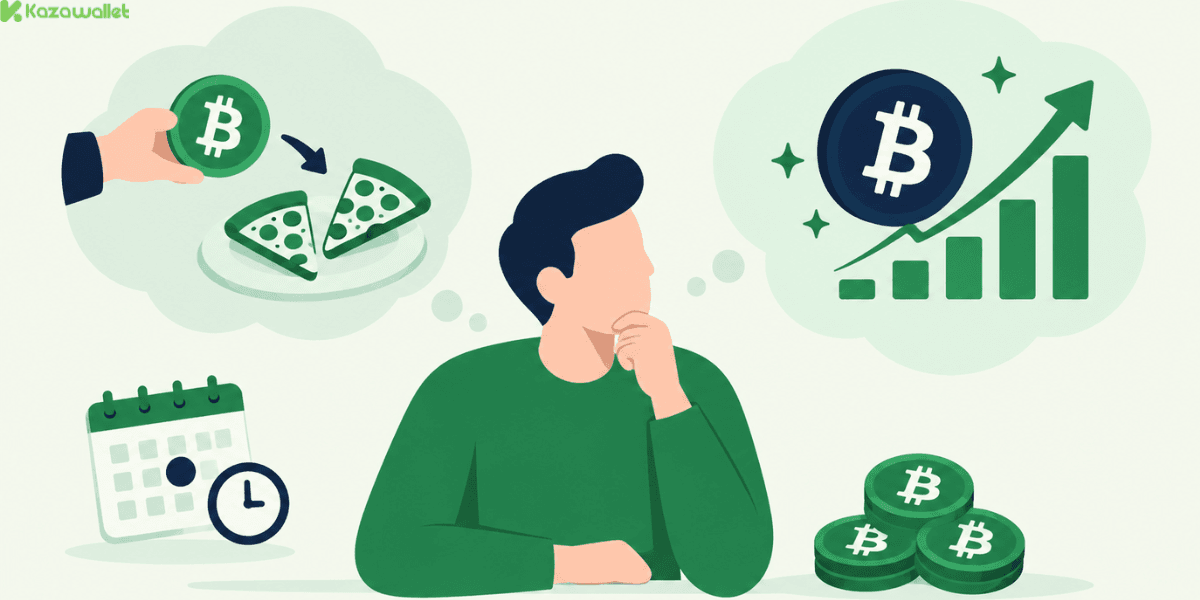
Here lies the unique paradox that distinguishes the psychology of cryptocurrency from any other form of money:
Traditional fiat cash has a relatively stable purchasing power; the dollar you spend today won't magically be worth ten times as much tomorrow. Cryptocurrencies, however, carry the real possibility of a massive future price surge. This creates a severe case of future regret, or what economists call opportunity cost aversion.
This specific fear drives the famous HODL mentality, refusing to spend your crypto regardless of your current needs, even if you would gladly spend the exact same amount in fiat cash without a second thought.
The most legendary example of this phenomenon in crypto history is "Bitcoin Pizza Day":
On May 22, 2010, an American programmer named Laszlo Hanyecz paid 10,000 BTC for two pizzas.
At the time, that stash was worth about $41. As Bitcoin's price skyrocketed over the years, the value of those exact same coins surged into the hundreds of millions of dollars.
Celebrated annually by the crypto community, this story has become the ultimate cautionary tale and a permanent symbol of the regret every crypto holder fears when deciding whether to spend or hold.
How to Control Your Crypto Spending and Make Conscious Decisions
Understanding these two opposing effects (the ease of spending due to mental accounting, and the hesitation caused by the fear of regret) shows you how to control your digital money spending:
Mentally separate your savings crypto from your spending crypto clearly and intentionally, rather than letting your brain decide impulsively based on the coin's source or current market price.
Exchange the portion you actually intend to spend into a stablecoin before you need to use it. This eliminates the paralyzing "what if it goes up tomorrow?" internal debate that drains your mental energy.
Review your exceptions consciously. If you find yourself spending crypto unusually easily just because it feels like bonus money, pause and ask yourself if you would make the exact same purchase if you were holding physical cash in your hands.
How Does a Platform Like Kasawallet Help You Spend More Consciously?
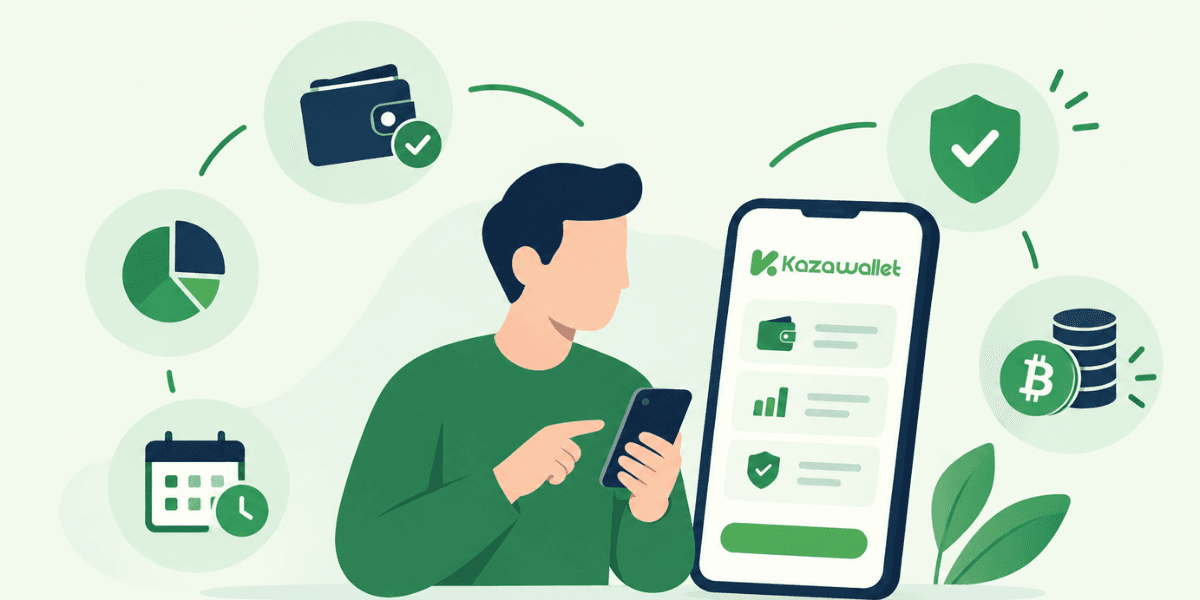 Since a massive part of this psychological friction comes from uncertainty about future value, the practical solution is to draw a clear line between what you hold and what you actually intend to spend.
A platform like Kazawallet allows you to do exactly that:
Direct conversion to USDT or US Dollars: This removes the anxiety of potential price swings right at the moment of purchase, allowing you to deal with a known, stable value.
Unified asset management: View and manage your volatile crypto and stable fiat balances in one clear interface, helping you enforce that mental boundary between saving and spending.
Virtual Visa Cards: Top up a virtual card directly from your balance to turn a conscious spending decision into immediate, real-world utility without added complexity or hesitation.
By doing this, you achieve genuine psychological clarity alongside financial clarity, rather than leaving your spending habits to the mercy of subconscious biases.
Frequently Asked Questions (FAQ)
Do we always spend crypto more easily than cash?
Not always. It depends entirely on the coin's source and your mental accounting. Crypto gained as an unexpected windfall is usually spent effortlessly, while crypto bought with hard-earned money, or expected to surge in value, faces extreme spending resistance.
What is Mental Accounting in simple terms?
It is our brain's tendency to categorize money into separate accounts based on where it came from or what it is for, even though money is practically fungible and every dollar is objectively equal.
Is the Bitcoin Pizza Day story actually real?
Yes. It is a historically documented event from May 22, 2010, and is widely recognized as the first real-world commercial transaction ever made using Bitcoin.
How do I avoid regretting spending my crypto in the future?
While you cannot predict the market, explicitly allocating a specific portion of your portfolio to spending money in stable assets, completely separate from your volatile, long-term holdings, drastically reduces this psychological friction.
In Closing
The difference you feel between spending physical cash and spending digital assets is not your imagination; it is a scientifically documented behavioral phenomenon.
It stems from our natural tendency to mentally categorize funds based on their source, combined with the unique anxiety of crypto's endless price volatility.
Recognizing this paradox does not magically erase it, but it equips you with the awareness to spot it in real time, empowering you to make spending decisions based on what you actually want, rather than what your subconscious biases dictate.