In November, screens are flooded with discounts reaching up to 80% and countdown timers ticking away by the second to push you into an instant purchase. Amid this digital rush, scammers actively clone the interfaces of famous retailers and launch sponsored ads that are difficult to distinguish from the real thing.
Spotting fake Black Friday deals does not require complex technical expertise; it starts with paying attention to simple warning signs that appear right before you enter your payment details.
In this article, we walk you through 8 clear warning signs that help you evaluate any store or discount within minutes, and show you how to protect your funds step-by-step before completing a purchase.
Quick Summary (TL;DR)
Fake Black Friday deals spread through impersonator stores and sponsored ads that exploit shoppers' eagerness to snag quick bargains. You can spot them through 8 key signs: unrealistic discounts exceeding 70% on popular items, slight typos in the website link (URL), restricting payments to non-refundable methods, and the absence of clear return policies and contact details.
To avoid losses, always check the item's price history and separate your shopping budget from your primary account by using a virtual card loaded strictly with the purchase amount.
Why Do Fake Black Friday Deals Proliferate During the Discount Season?
Seasonal fraud relies on two main factors: time pressure and visual conditioning to massive discounts. On regular days, a 75% discount on a flagship smartphone would raise any shopper's suspicions. During Black Friday week, however, the figure looks believable alongside hundreds of similar promotional banners.
Scammers exploit this mindset by launching thousands of temporary domains that accurately mimic the design of global retailers, pushing them to the top of search results and social media feeds via paid ads.
The goal of these pages is not merely to sell a subpar product, but to harvest bank card numbers and security codes for unauthorized withdrawals later.
That is why we explained the importance of early preparation and selecting your stores in advance in When Does Black Friday 2026 Start and End?.
What Are the 8 Warning Signs That Expose Fake Stores and Deals Before Checkout?
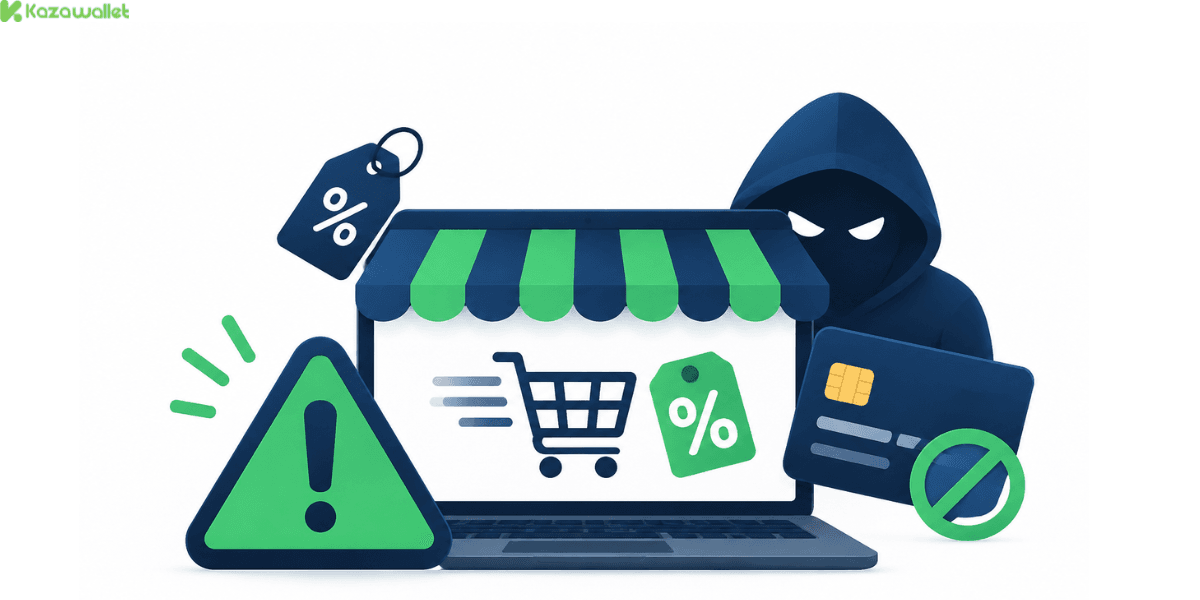
Before moving to the checkout page, evaluate the offer and the store against these eight indicators:
Discounts That Defy the Item's Pricing Logic: When you see a newly released electronic device or a luxury brand at 80% off, while its discount at official retailers ranges between 15% and 30%,that is your first red flag. Review the actual discount averages for each category in our guide on The Difference Between Black Friday and Cyber Monday.
Subtle Tampering with the Website Address (URL): Impersonator stores rely on altering a single letter in the domain name (such as swapping one letter for a similar-looking one, or appending words like -sale or
.shopto a well-known brand name). Always inspect the browser's address bar and verify the exact spelling.Artificially Inflated Original Prices Before the Discount: Some offers are not outright phishing sites, yet they are deceptive; a store might raise an item's price from $100 to $200 a week prior, then advertise a 50% discount to sell it at its standard price.
Exaggerated Countdown Timers and Psychological Pressure: Pop-up windows claiming that "35 people are viewing this item right now" or timers that expire in two minutes, only to reset when you refresh the page, are designed to bypass your critical thinking and rush you into entering your card details.
Unusual or Non-Refundable Payment Methods: A legitimate store provides standard, protected payment gateways such as Visa, Mastercard, and digital wallets. If a website demands payment exclusively via direct wire transfer, gift cards, or sending cryptocurrency to an unknown wallet address, stop immediately.
Missing Return Policies and Real Contact Information: Look at the bottom of the page for a physical address, commercial registration number, and a clear, detailed return and exchange policy. Scam pages usually offer nothing more than a blank contact form or copied text full of grammatical errors.
Perfect Reviews with Clustered Dates: If 100% of the product reviews are glowing, written in generic, repetitive language over the past few days without real buyer photos, they are likely automated fake reviews.
Arriving via a Link from a Text Message or Random Ad: Avoid completing a purchase directly through a link received via SMS or an email claiming an "exclusive offer for our customers." Open your browser and manually type the official store's name to verify whether the deal actually exists.
How Do You Verify a Store's Legitimacy and a Discount's Authenticity in Quick Steps?
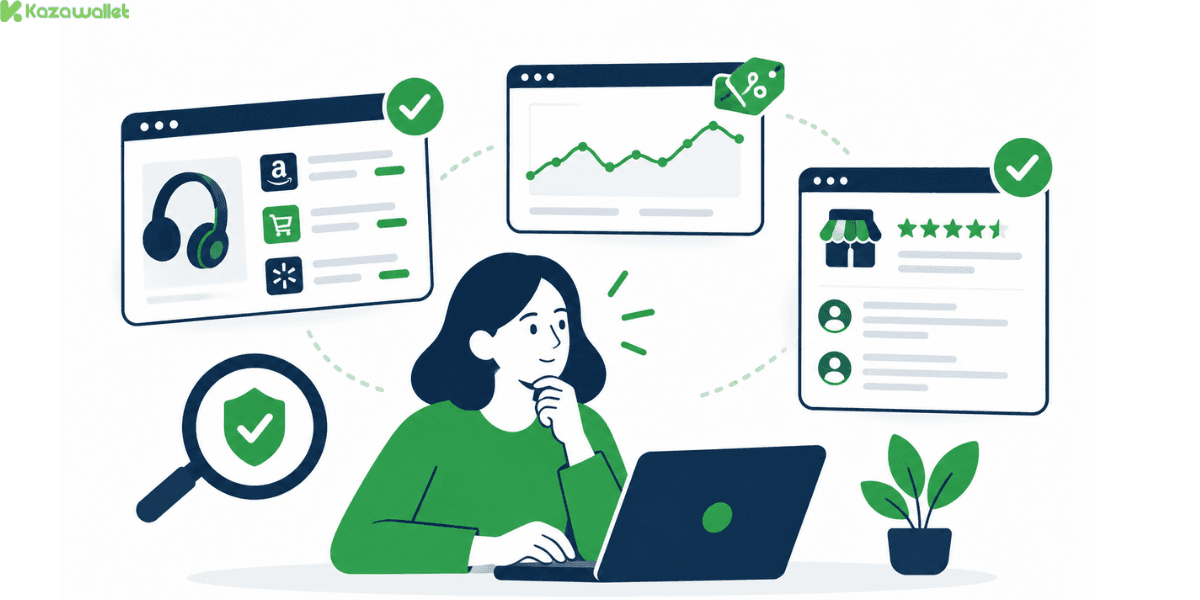
To avoid falling into the trap of fake Black Friday deals, apply this quick two-minute check:
Compare the Price Across Three Known Platforms: Search for the product name and its exact model number on major, trusted retail sites to learn its true average market price.
Use Price History Tracking Tools: Browser extensions and price-tracking websites display a chart of the item's price over the past six months, immediately revealing whether the discount is genuine or artificially staged.
Check the Site's Age and External Reviews: Do not rely on testimonials hosted inside the store itself; search for the store's name on independent review platforms to read past buyers' experiences regarding shipping and customer service.
What Happens If You Enter Your Card Details on a Suspicious Shopping Site?
When you type your card number, expiration date, and CVV code into a fraudulent page, you do not just lose the price of the fake item, you hand the other party the keys to the balance linked to that card.
A scammer might not withdraw the money immediately; instead, they may store the data to test small, recurring charges or link the card to digital subscriptions later on.
This highlights the fundamental difference between using your primary bank card tied to your savings and using an isolated virtual card.
We detailed what appears to merchants and how to protect your data in What Does a Merchant Actually See When You Pay Using a Virtual Card?, alongside comprehensive protection rules in How to Shop Safely on Black Friday Using a Virtual Card?.
How Does the Kazawallet Virtual Card Help Reduce Shopping Risks on Black Friday?
Even with strict caution, you might shop at a new store for the first time and want to shield your primary account from any surprises. Kazawallet gives you a practical financial isolation layer that you control completely:
Flexible Crypto Funding: Deposit your cryptocurrency balance, or buy Bitcoin and Ethereum directly within the platform.
Direct Exchange: Swap only the amount allocated for your purchases into USDT or USD instantaneously to lock in your budget, as explained in Spending Cryptocurrencies on Black Friday.
Load Strictly for the Transaction: Create a virtual Visa card and load it solely with the value of the item you intend to buy. With this step, even if you encounter a store that imposes hidden fees or attempts an extra charge, the exposure cannot exceed the specific balance loaded onto the card.
Pay via Digital Wallets: Add your card to Apple Wallet or Google Wallet to pay using an encrypted token without exposing your original card number to the merchant. Full details are available in How to Pay with Crypto via the Kazawallet Virtual Visa Card.
Instant and Transparent Management: You can freeze the card with a single tap as soon as you finish shopping, and monitor all your financial transactions in one place. To learn about issuance steps and full details, review Everything You Need to Know About the Kazawallet Virtual Card.
Frequently Asked Questions
How do I know if a Black Friday discount is real and not a pre-inflated price?
Check the item's historical price using price-tracking tools, and compare the final checkout price across at least two other official retailers rather than relying on the percentage discount displayed in the ad.
What should I do if I paid at a store and later realized it was fake?
Freeze or cancel the card immediately from your app to block any additional withdrawals, and keep screenshots of the store page, receipt, and emails to submit a dispute (chargeback) request with your card issuer according to their terms.
Does a virtual card protect me if the store is a scam?
A virtual card does not stop you from buying from a fake store if you authorize the payment yourself, yet it caps the potential loss strictly at the small amount you loaded onto it, prevents scammers from reaching your primary savings, and allows you to freeze the card instantly.
Are store ads that appear at the top of search results and social media always trustworthy?
Not necessarily; sponsored ads are available to any party that pays for them, and scammers frequently use paid campaigns to rank at the top of search results using names that closely resemble famous brands.
In Conclusion
A genuine deal does not need to hide its identity behind a misspelled link or a countdown timer that pressures you into acting without thinking.
When you give yourself a brief moment to inspect the website address, compare the price, and pay via a virtual card with a set balance, you strip scammers of their strongest weapon: urgency.
Shop calmly, verify before you click, and make the security of your financial data a condition that comes before any discount percentage.