In May 2022, around $40 billion vanished within days from a currency described as stable. In March 2023, another dropped to 87 cents before recovering.
The difference between the two cases is the lesson, and it is what matters to anyone holding a digital balance when stablecoins depeg and its value drifts away from the dollar.
Quick Summary (TL;DR)
When stablecoins depeg happen, the cause is usually one of three things: a flawed design (UST in 2022), a crisis at the institution holding the reserves (USDC in 2023), or localized panic in a single market (USDe in 2025).
Some cases recovered within days, while others disappeared from the market permanently.
The practical lesson: know the type of currency you hold, what backs it, and how to redeem it—and only hold the amount you need for near-term spending.
What Are the Most Notable Historical Incidents of Stablecoins Depeg from the Dollar?
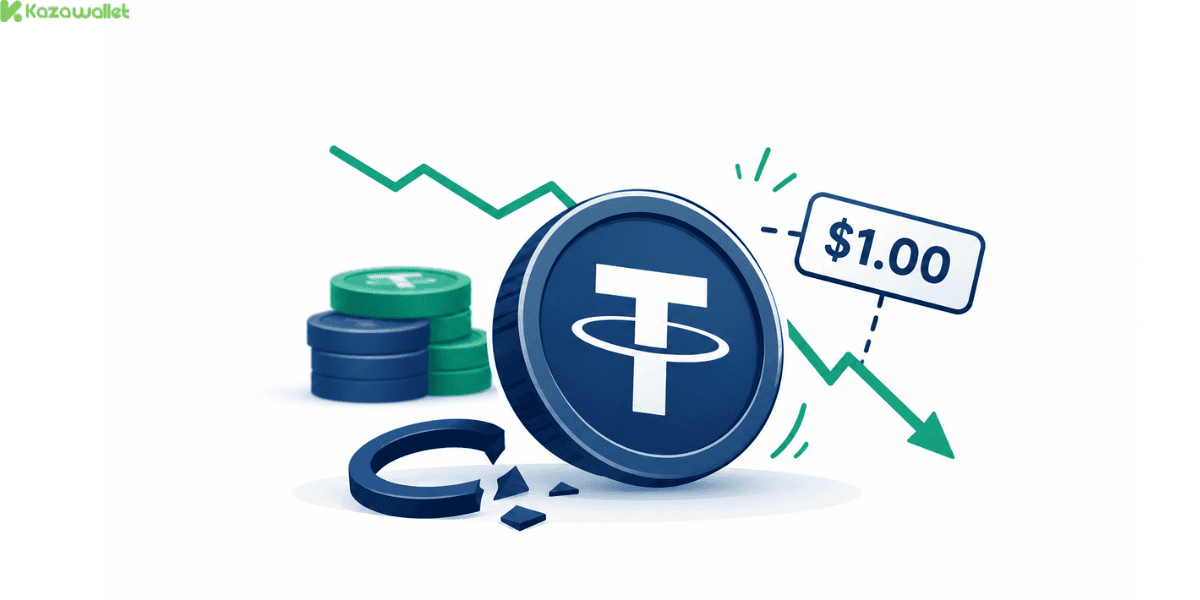
There have been several stablecoin depeg incidents:
UST (May 2022): An algorithmic currency lacking real cash reserves. It plunged from $1 to under 10 cents within days, wiping out nearly $40 billion alongside its sister token LUNA, and exited the market permanently.
USDT (May 2022): Dropped to around $0.95 on certain exchanges during the panic, then recovered and regained its value.
USDC (March 2023): Had $3.3 billion of its reserves (around 8%) held at the collapsed Silicon Valley Bank (SVB). It dropped to roughly $0.87 and returned to its peg within about 48 hours after U.S. authorities protected depositors.
DAI (March 2023): Fell to around $0.89 because a large portion of its collateral was tied to USDC.
USDe (October 2025): Reached roughly $0.65 for about 90 minutes on a single exchange, while remaining close to $1 across other markets.
Why Does the Ability of Stablecoins to Recover After Crises Vary?
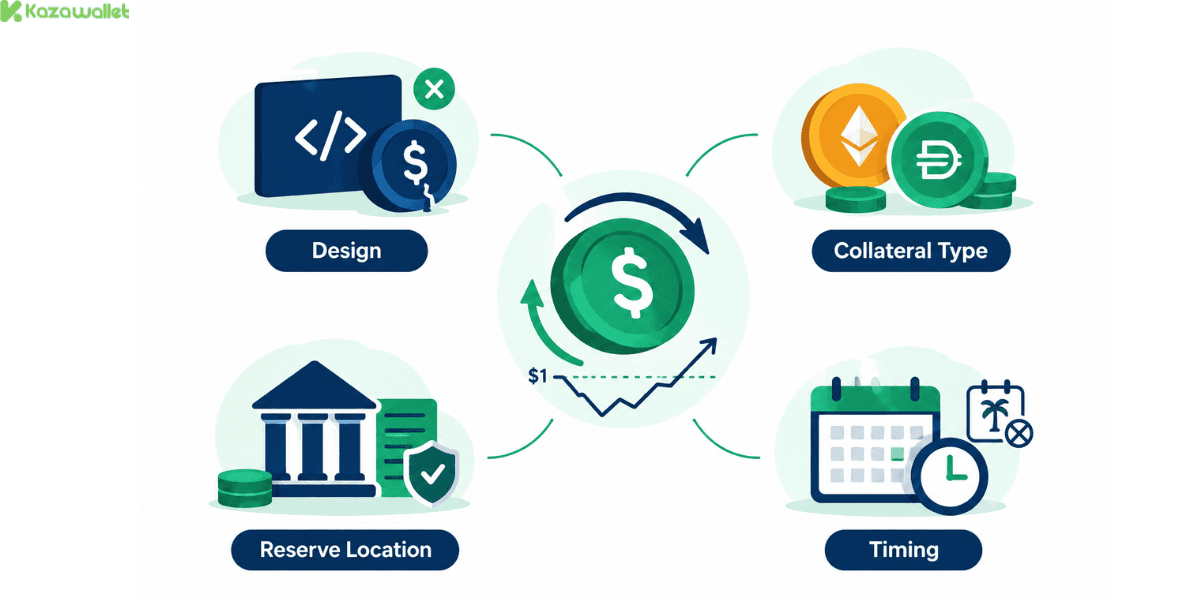
A currency's ability to return to the $1 mark after experiencing stablecoins depeg crisis depends on four core factors:
Design: An algorithmic currency without real cash backing loses its chance of recovery once market trust breaks.
Collateral Type: Crypto-backed stablecoins inherit the risks of their underlying assets, as happened with DAI.
Reserve Location: Fiat- and bond-backed stablecoins are typically sturdier, yet they remain exposed to the stability of the banks holding those reserves.
Timing: Weekends, holidays, and closed banking hours delay redemptions, causing the price gap to widen temporarily.
How Do You Protect Your Digital Balance from Stablecoin Risks?
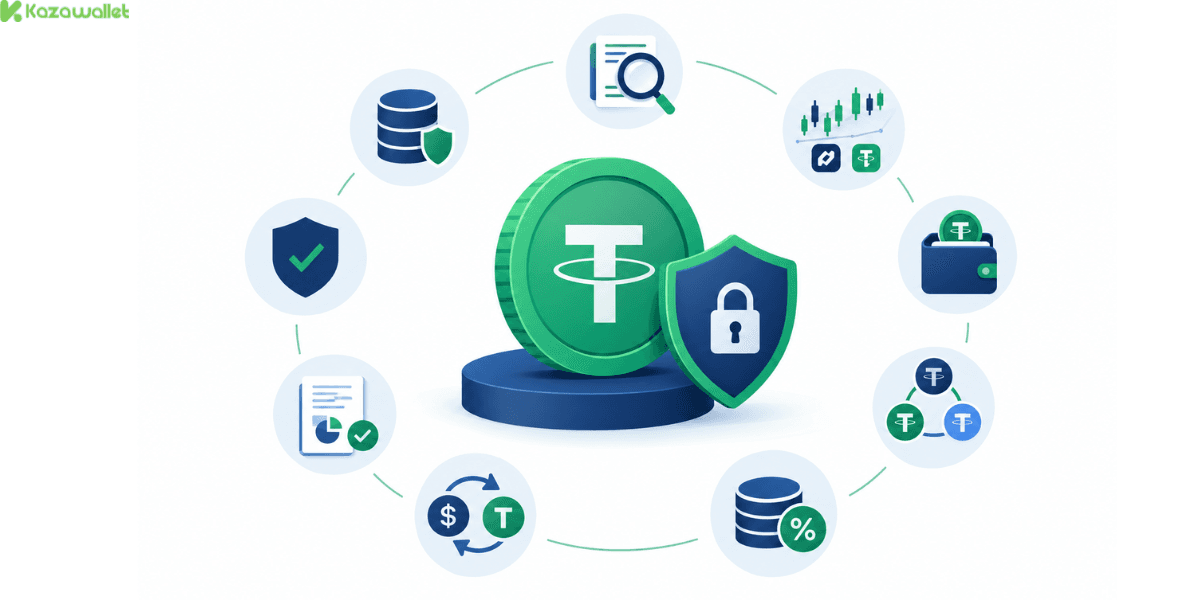
Know your currency type: Understand who holds its backing and where its underlying assets are stored.
Avoid panic-selling based on a single exchange's price: Compare prices across platforms; a coin might look like it is crashing on one market while remaining stable on another.
Hold only what you plan to spend: Managing a daily spending balance is different from managing long-term savings.
Diversify when necessary: Spread your balance across more than one trusted issuer.
Watch out for high yields: Always ask where the yield on a supposedly stable currency is coming from.
Know the redemption path: Understand who exchanges it for dollars, under what terms, and within what timeframe.
Read reserve reports: Several issuers publish periodic attestation reports on their backing; review them when available.
Separate price stability from absolute security: A price hovering near $1 reflects trading stability, while the need to evaluate operational risks remains.
We previously discussed the role of these currencies in protecting balances in Crypto Cards in the Face of Currency Collapse.
What Do You Do If Your Stablecoins Drop Below the Dollar?
Pause before acting: Slow down and avoid making a financial decision in the initial moment of panic.
Compare prices: Check multiple exchanges and pay attention to trading volume during the deviation.
Read the issuer's announcements: They are the first to clarify the reason and the expected redemption timeline.
Assess your exposed balance: Check how much of it you hold and how much you need this month.
Move only what you need: If you decide to convert, transfer only the amount necessary and leave the rest of your portfolio until the picture clears—and record your transactions for tax purposes.
Guard against fraud: Fake "redemption" links spread rapidly during market panics; keep your seed phrase completely confidential.
How Will New Regulations Like the GENIUS Act Affect Stablecoin Security?
The U.S. GENIUS Act mandates 1:1 liquid reserves and monthly disclosures, with its requirements scheduled to take effect by January 2027 according to reports.
Despite the importance of this regulation, certain risks remain: bank deposits are still a permitted reserve asset—which is precisely where USDC stumbled, and these currencies typically lack direct government insurance.
How Does Kazawallet Help You Manage Stablecoin Risks Flexibly?
The risks tied to a currency's issuer remain regardless of the platform used, yet you can control your exposure through practical steps:
Direct Exchange: Exchange only what you need into USDT or USD instantaneously and directly, saving time and speeding up access to your funds.
Load Only What You Can Spend: Fund a virtual Visa card with your planned budget and keep the rest where you understand its risks. Full details are available in How to Pay with Crypto via the Kazawallet Virtual Visa Card.
Clear Balance Overview: Track both your digital and traditional balances in one place. To learn more about the card, check out Everything You Need to Know About the Kazawallet Virtual Card.
Frequently Asked Questions
Are stablecoins completely risk-free?
Stablecoins feature far less volatility than Bitcoin, yet their stability depends on the issuer, the reserve backing, and the speed of redemption.
Should I sell at the first price deviation from the dollar?
Taking a moment to assess is usually the wiser choice. Many cases recovered within days, whereas others that lacked real backing disappeared. Compare prices and read the issuer's official statements before making a decision.
What if my card balance is denominated in a stablecoin?
It will be affected if the currency's price shifts, so load the card strictly with the amount you intend to spend.
Does diversifying stablecoins protect me?
It reduces the impact of a single issuer failing, while each currency still retains its own operational characteristics and risks that require monitoring.
In Conclusion
The label "stable" reflects a currency's goal of maintaining its price. What past events teach us is the importance of understanding how these assets work and looking beyond the name: who backs them, how they are redeemed, and how much of your balance is exposed.
Those who understand these mechanics stay prepared for market shifts, and those who manage their balances calmly protect their funds during the exact moments when panic causes others to lose.