The primary difference between USDT and Litecoin is that USDT is a stable digital dollar designed to protect your funds from volatility, while Litecoin is a cryptocurrency aimed at rapid growth and features high transaction speeds for daily use. Investors choose USDT for savings and security, while turning to Litecoin for investment or fast, low-cost remittances.
What is USDT?
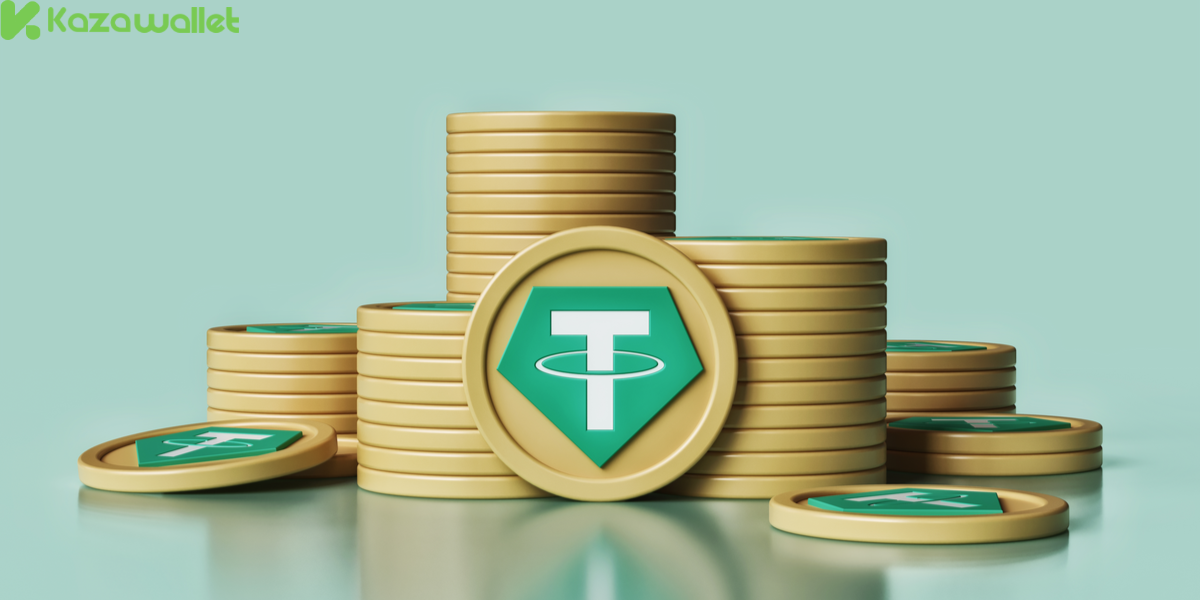
USDT is the most famous Stablecoin in the world, designed to be the digital version of the US Dollar.
- Dollar Peg: USDT aims to maintain a stable balance where (1 USDT ≈ 1 USD), reducing the price volatility risks that other cryptocurrencies are known for.
- Safe Haven: During times of market turbulence, investors flee to Tether (USDT) to protect their profits from sudden drops.
- Ease of Access: You can obtain this currency instantly through the Best USDT Wallets in Syria to secure your savings against local currency inflation.
What is Litecoin?
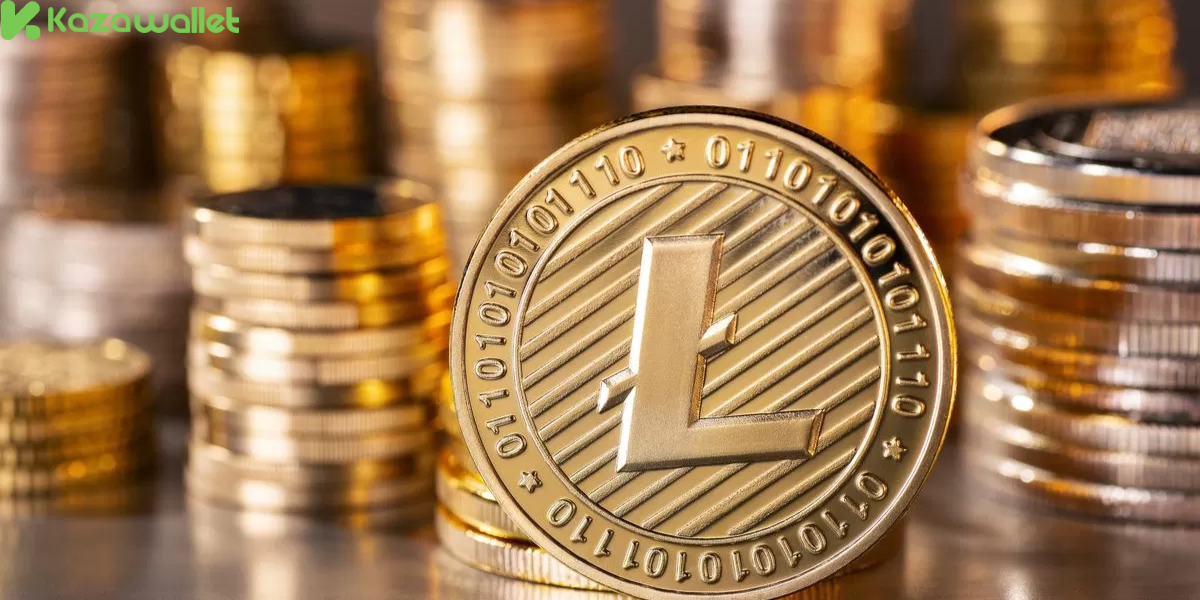
Litecoin is a decentralized digital currency designed to be the faster and “lighter” version of Bitcoin, earning the title “Digital Silver.”
- Speed and Efficiency: Thanks to the Scrypt algorithm, Litecoin features much faster transaction processing than many others, making it ideal for daily transfers.
- Limited Supply: Its total supply is capped at 84 million coins, giving it an independent market value and long-term growth potential.
- Practical Use: If you are looking for a fast payment method, buying Litecoin is the perfect choice for topping up international cards or making low-cost, frequent financial transfers.
USDT vs Litecoin
| Feature | Tether (USDT) | Litecoin (LTC) |
| Type | Stablecoin | Cryptocurrency |
| Goal | Value stability & wealth protection | Payment method & growth-oriented system |
| Volatility | Extremely low (Fixed at $1) | High (Subject to market shifts) |
| Supply | Unlimited (Issued based on demand) | Capped at 84 million units |
| Ideal Use | Saving value & safe trading | Investment & fast daily transfers |
Read More: How to Buy USDT in Syria: A Comprehensive Guide with Kazawallet
Risks Associated with USDT and Litecoin
No financial path is without challenges; understanding the risks is the first step toward success:
USDT Risks:
- Transparency and Reserves: Questions are sometimes raised regarding the adequacy of the cash reserves backing the currency, requiring caution and monitoring of periodic reports.
- De-pegging: The currency has previously experienced minor fluctuations from the dollar level; therefore, it is always recommended to use Kazawallet, which provides a secure environment to manage these fluctuations.
Litecoin Risks:
- Market Volatility: The currency may experience a sharp decline in value during bear markets, requiring patience and a clear investment strategy.
- Technical Competition: The emergence of new technologies may put pressure on the currency; thus, depositing cryptocurrencies on trusted platforms remains the smartest choice for security.
Frequently Asked Questions (FAQ)
Which is better for saving my money in Syria, USDT or Litecoin?
If your goal is to protect the value of your money from inflation, USDT is the most suitable. However, if you wish to speculate or invest with the aim of increasing capital, Litecoin offers that opportunity.
Can I convert Litecoin to USDT within Kazawallet?
Yes, the wallet allows you to swap currencies with full flexibility, helping you “escape” to stability if you sense a market crash.
How do I ensure the security of my cryptocurrency balance?
The most important step is to use wallets that support Two-Factor Authentication (2FA) and stay away from unverified platforms that may expose you to fraud.
Read more: Kazawallet: The One Wallet for All Your Needs
In Conclusion:
The difference between USDT and Litecoin highlights the beautiful contrast between the desire for stability and the ambition for growth. There is no perfect path for everyone; your choice depends on your personal goals and risk tolerance.
So, are you ready to endure market volatility in search of potential returns, or do you prefer relative stability, even at the expense of growth opportunities?